Before a buyer ever walks through the front door, they have usually already formed an opinion about the property.
They have looked through the photos, studied the price, read the listing description, checked the location and compared the home with similar options. They may have reviewed the floor plan, calculated the monthly costs and zoomed in on the photographs far enough to notice what is sitting on the kitchen counter.
By the time they book a showing, the decision is not whether they are curious.
It is whether the home feels promising enough to deserve their time.That is why your first showing does not begin when the lockbox opens. It begins online.
Buyers Are Not Viewing Your Listing in Isolation
One of the biggest mistakes a seller can make is thinking buyers will evaluate their home on its own.They will not. Buyers usually have several listings open at once. They are comparing price, size, condition, layout, location, monthly expenses and overall presentation. Your property may be a wonderful home, but online it is competing for attention against every other suitable option in the buyer’s search. A listing should therefore answer one important question quickly: Why is this home worth seeing in person? The answer may be the layout, the outdoor space, the renovations, the natural light, the view or the location. Whatever creates value should be easy to understand. Buyers should not have to conduct a small investigation to discover what makes the property special.Photography Should Tell a Story
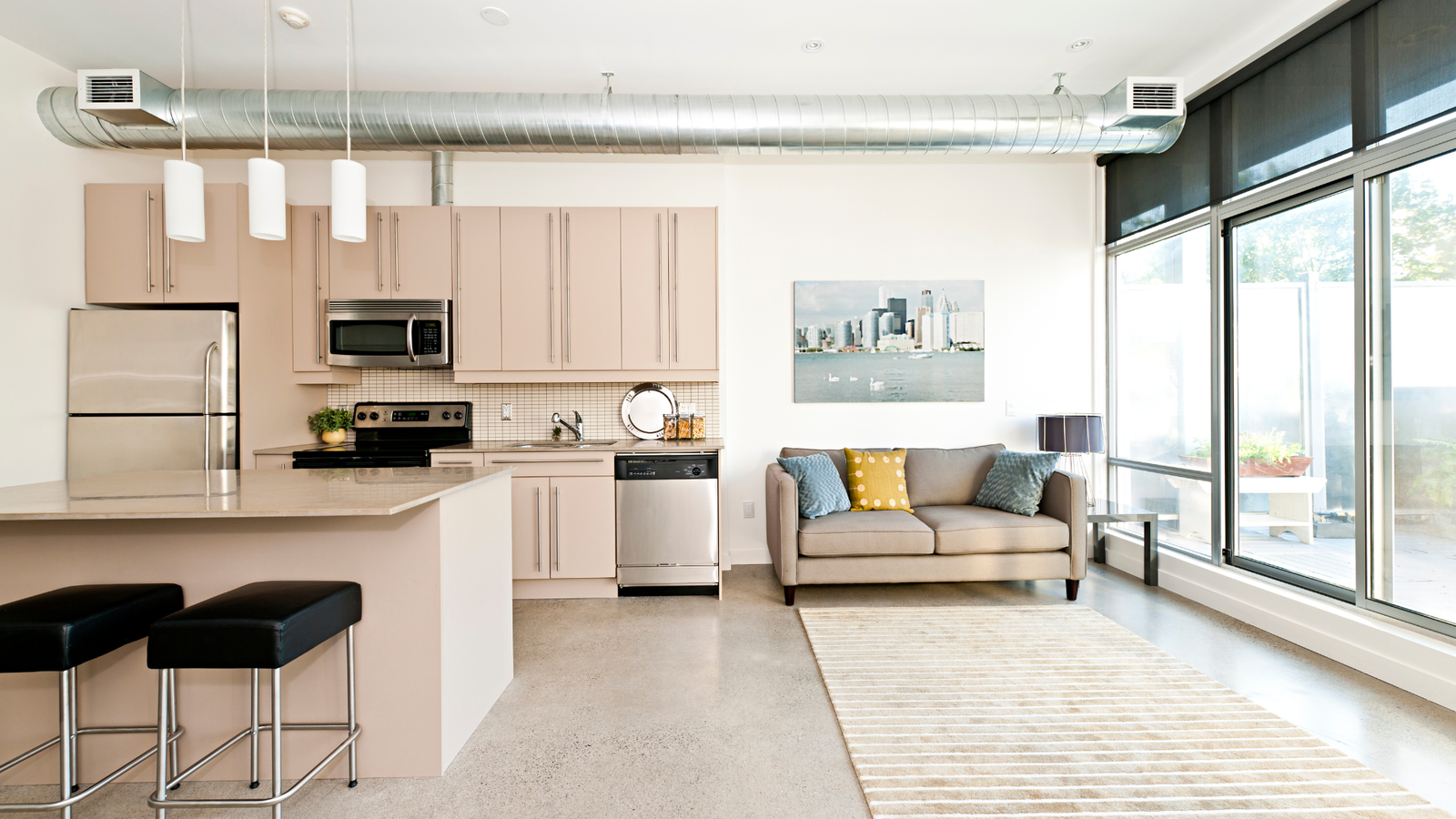
Strong listing photography is not simply about making rooms look attractive. It should help buyers understand how the home feels and how the spaces connect.The photographs should create a natural tour, beginning with the exterior or entrance and continuing through the principal living spaces, bedrooms, outdoor areas and important features. Buyers should be able to understand the layout rather than feeling as though they have been shown twelve unrelated corners of a house. The home should also be prepared before the photographer arrives. Clear unnecessary items from counters, remove visual clutter, open the blinds and make sure each room has an obvious purpose. A spare room trying to be an office, gym, storage unit and laundry-folding station all at once may be realistic—but it is not necessarily helping the listing. Photography should be polished while still representing the property honestly. The goal is to show the home at its best, not to create an online version that feels completely different when the buyer arrives.The Floor Plan Can Be Just as Important as the Photos
Photographs create interest, but a floor plan provides clarity. Buyers want to know how the rooms connect, whether the bedrooms are separated, where the bathrooms are located and whether the layout will work for their daily lives. This can be especially important in condos and townhomes, where two properties with similar square footage may function very differently. A thoughtful listing helps buyers picture more than furniture placement. It helps them imagine routines. Where would they work from home? Is there enough storage? Can they supervise children from the kitchen? Is the primary bedroom separated from the main living area? Is there room for skis, bikes, paddleboards or the other equipment that appears to multiply once someone moves to the North Shore?A clear floor plan can answer many of these questions before the showing.
Pricing Is Part of the Presentation
Presentation is not limited to staging and photography. Price is one of the first things a buyer sees, and it shapes how they interpret everything that follows. Buyers will compare the home’s asking price with other listings and recent sales. If the price feels disconnected from the property’s condition, size, location or features, even excellent marketing may not be enough to generate a showing. Thoughtful pricing does not mean automatically choosing the lowest number. It means positioning the home so buyers can understand its value.A listing should create interest, not confusion. Ideally, buyers should be thinking, “This looks worth seeing,” rather than sending the link to a friend with three question marks.
The Description Should Add Information
A good listing description should do more than repeat the number of bedrooms and bathrooms. Buyers can already see those details in the listing fields. The written description should explain how the home lives.It might highlight morning light in the kitchen, a flexible den, direct access to outdoor space, a practical renovation or proximity to daily amenities. Specific details are more useful than vague claims that could describe almost any property. Calling every home “stunning,” “rare” or “an entertainer’s dream” does not necessarily make it so.Clear, accurate language builds more confidence. The description should help buyers understand who the home may suit and why its features matter.
Make Important Information Easy to Find
Unanswered questions can prevent buyers from taking the next step. The listing should clearly communicate important details such as parking, storage, outdoor space, renovations, monthly strata fees and any notable inclusions or restrictions.For strata properties, serious buyers will also want to review documents such as meeting minutes, financial statements, bylaws, the depreciation report and available insurance information. These documents may not all appear publicly with the listing, but having them organized and ready can make the process smoother.
Preparation signals that the property is being represented carefully. It also allows buyers to focus on whether the home is right for them instead of wondering what information might be missing.
The In-Person Showing Must Match the Online Impression
Strong online marketing may earn the appointment, but the home still needs to deliver when the buyer arrives. The property should feel clean, bright, comfortable and well cared for. Temperature, lighting and even smell can influence the experience. Buyers notice more than sellers sometimes realize. They also notice when the online photographs and the actual home feel dramatically different.Consistency builds trust. Ideally, the in-person showing should confirm what the buyer already liked online—and reveal a few details that are even better in person. The goal is not to make the home feel untouched or overly staged. It is to make it easy for buyers to imagine living there.
Give Buyers a Reason to Take the Next Step
A successful listing removes friction.The photographs attract attention. The floor plan creates understanding. The description adds useful context. The price makes sense. The information is clear. And when the buyer walks through the door, the home supports the promise made online. Buyers may eventually fall in love with a property in person, but first, they need a reason to leave the sofa.Your first showing starts online. Make it count.
Tazmeen Woodall
Lower Lonsdale, North Vancouver
Oakwyn Realty Ltd.
604-760-7005
