Let’s be honest — the idea of buying a fixer-upper is exciting.
There’s potential, possibility, and the chance to create a home that reflects your vision. It’s a little risky, a little ambitious, and often comes with that optimistic thought: “We can really turn this into something great.”
There’s potential, possibility, and the chance to create a home that reflects your vision. It’s a little risky, a little ambitious, and often comes with that optimistic thought: “We can really turn this into something great.”
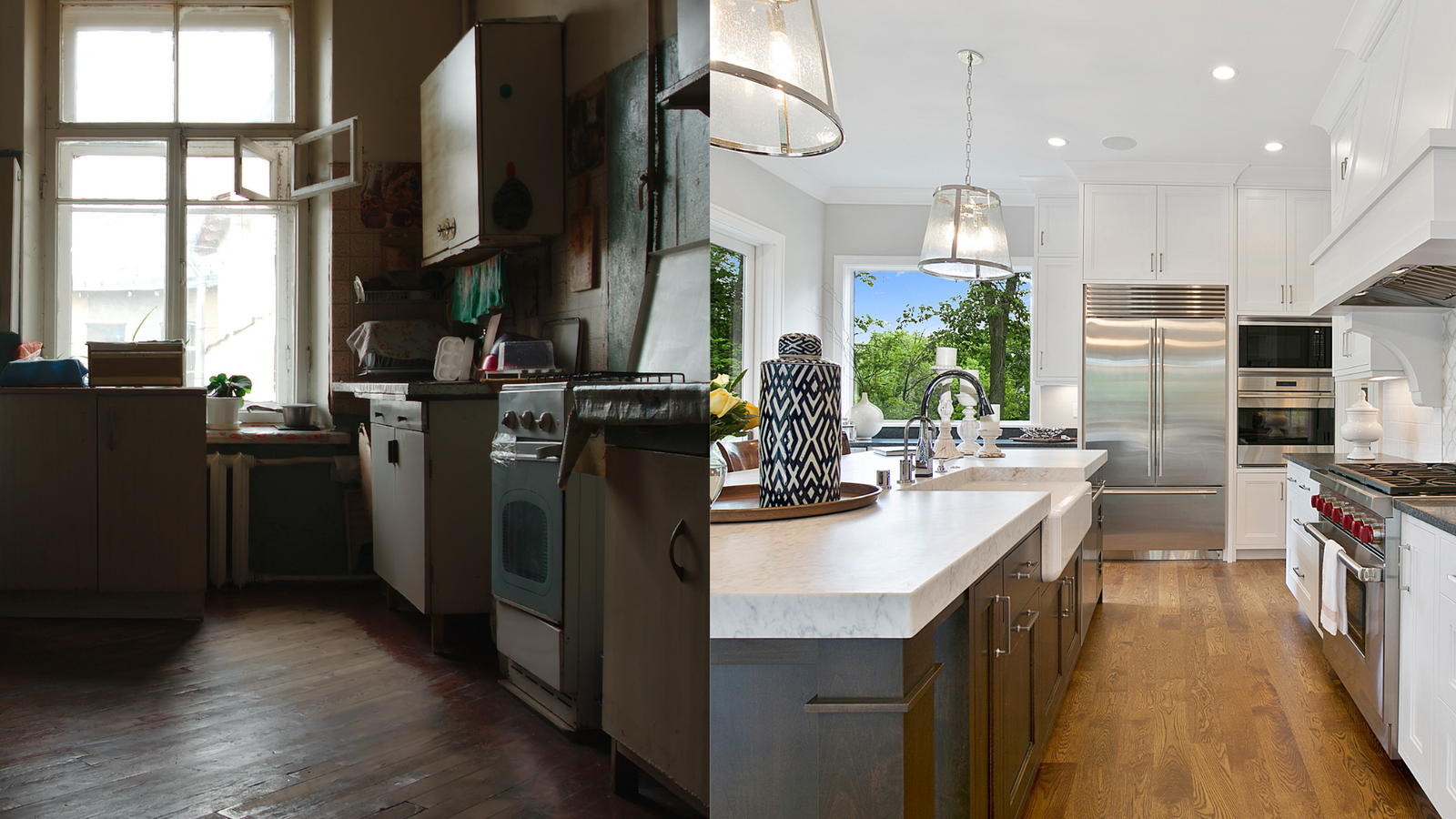
But here’s the thing: a fixer-upper is only a good idea when the bones of the home make sense and the math makes even more sense.People often fall in love with the idea of transformation… until they realize the roof is leaking, the electrical panel is from 1974, and that “small cosmetic update” requires permits, a contractor, and three weeks of takeout.So how do you know if the fixer-upper in front of you is a hidden gem or a costly project in disguise?
Let’s talk about it like real humans.
First, look at the big, boring stuff — the systems and the structure.
I know, I know… everyone wants to talk about countertops and paint colors. But none of that matters if the foundation is cracked or the plumbing needs to be entirely redone.If the roof, foundation, plumbing, electrical, windows, and drainage are solid, then great — most of your money can actually go toward the pretty things that add value, not the things that just prevent disasters.
That’s when a fixer-upper becomes exciting, not terrifying.
Next, you have to run the numbers.
This is where people either fall out of love or fall in deeper.Take the purchase price.
Add the renovation costs — the real ones, not the “if everything goes perfectly” ones.
Then compare that total to what updated homes in the same neighbourhood are selling for.If the difference leaves room for equity and long-term growth?
Congratulations — it might actually be a smart move.If the difference has you essentially paying full price plus taking on months of drywall dust… that’s a different story.
Another thing people don’t talk about enough: your bandwidth.
Fixer-uppers come with noise, dust, delays, and more decisions than you ever wanted to make in your life.
Be honest with yourself:Do you have the time and the patience for renovations?
Do you have a place to stay if things run long?
Do you even like the idea of living through construction? Some people thrive in it.
Others hear the word “permit” and immediately feel their soul leave their body. Either answer is fine. Just know which one you are.
Do you have a place to stay if things run long?
Do you even like the idea of living through construction? Some people thrive in it.
Others hear the word “permit” and immediately feel their soul leave their body. Either answer is fine. Just know which one you are.
And finally — the neighbourhood matters more than anything you could ever do inside the home.
A beautifully renovated home in a declining area won’t give you the return you’re hoping for.
Meanwhile, a fixer-upper in a neighbourhood that’s improving can be a gold mine.
A beautifully renovated home in a declining area won’t give you the return you’re hoping for.
Meanwhile, a fixer-upper in a neighbourhood that’s improving can be a gold mine.
Look for signs of growth: renovations nearby, new developments, strong walkability, good schools, long-term demand. If the neighbourhood is rising, your investment likely will too.
At the end of the day, a fixer-upper isn’t just a house — it’s a project, an investment, and a commitment.Sometimes it’s a brilliant move. Sometimes it’s a money pit with cute staging. If you’re unsure which one you’re looking at, I can help you break down the costs, spot the red flags, and figure out if the potential is worth the work — not just for your budget, but for your lifestyle and long-term goals.
