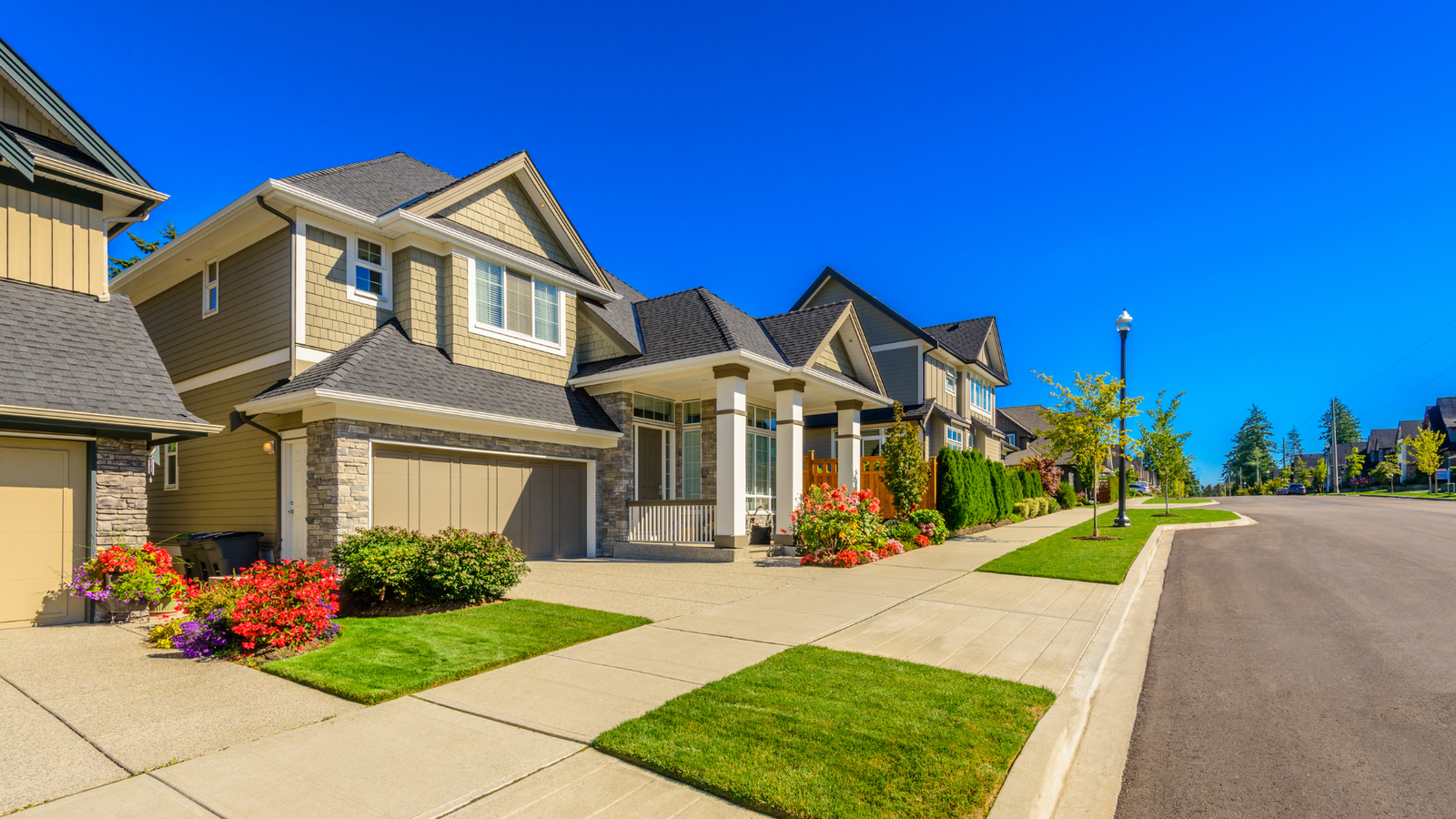
In 2026, choosing the right neighbourhood requires more discernment than ever before.It’s no longer about chasing the trendiest postal code or following momentum based on word-of-mouth. Today’s buyers are more thoughtful. They’re looking beyond aesthetics and short-term excitement, focusing instead on long-term livability, accessibility, and value.In a city like Vancouver — where neighbourhood character can shift within just a few blocks — your location decision shapes not only your investment, but your everyday experience.When I work with buyers, I encourage them to start with one simple but powerful question:Does this neighbourhood genuinely support the way you live?Here’s what that means in 2026.
1. Daily Functionality: Does It Support Your Routine?
The right neighbourhood should make your day easier — not more complicated.Consider:- Your commute time and preferred transportation
- Proximity to essential services (groceries, healthcare, fitness, schools)
- Walkability and ease of movement
- Noise levels and general pace of the area
Connectivity and Infrastructure
In Vancouver, connectivity directly impacts long-term value.Proximity to:- SkyTrain lines
- Reliable bus routes
- Protected cycling paths
- Major commuting corridors
- Everyday retail and services
Neighbourhood Momentum vs. Short-Term Hype
There’s a meaningful difference between buzz and sustainable growth.Real momentum looks like:- Thoughtful development
- Transit expansion
- Community investment
- Stable resale activity
- Balanced supply and demand
Livability Today
It’s important to assess what exists now — not only what is projected.Ask yourself:- Does this neighbourhood feel well maintained?
- Is there established retail and community presence?
- Would you enjoy living here year-round?
- Does it feel cohesive and comfortable?
Lifestyle Fit and Investment Strength
The right neighbourhood balances two factors:- It supports your current lifestyle.
- It protects your long-term investment.
