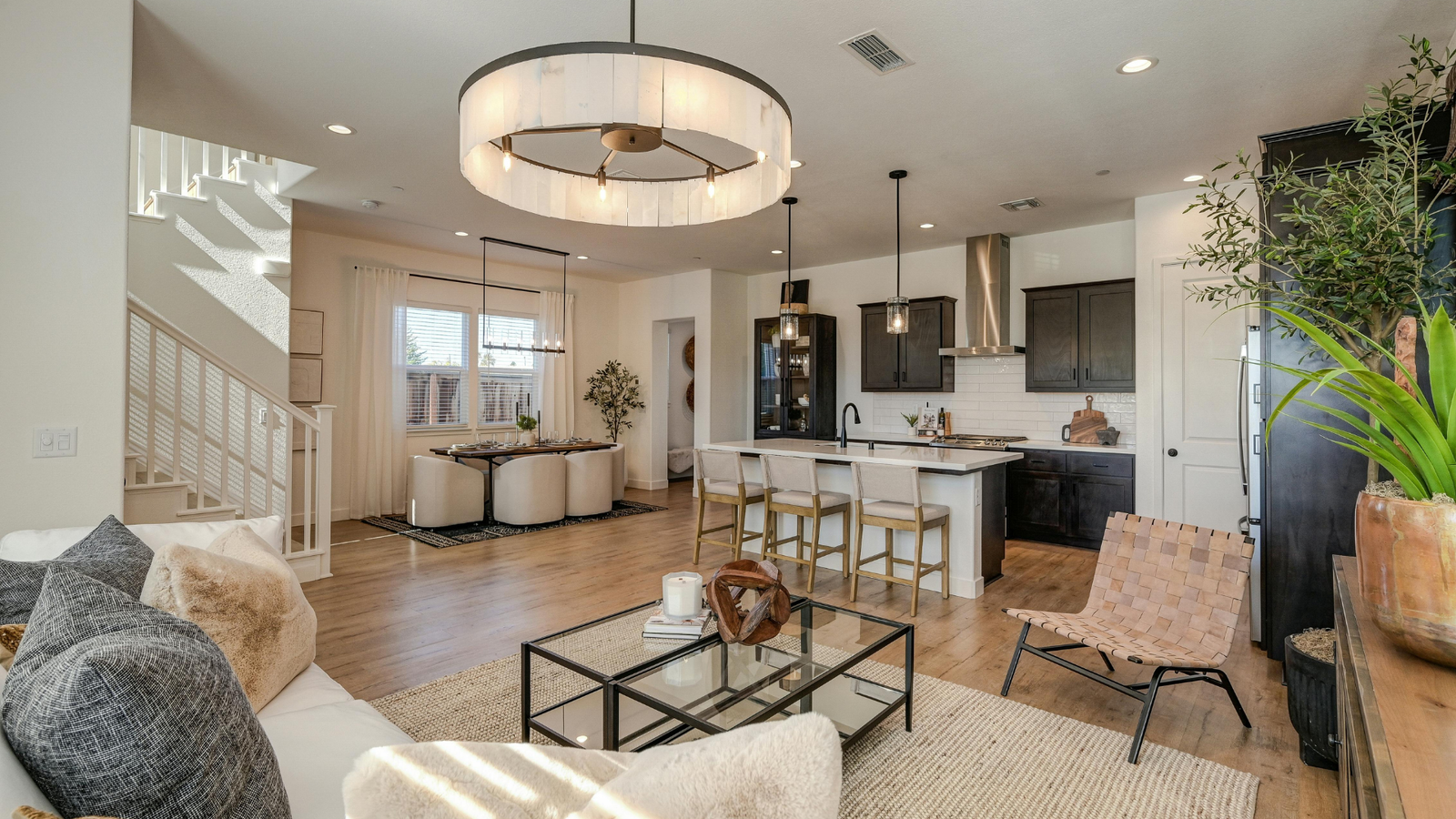
Because a Beautiful Home Should Also Work for You
A beautiful home is lovely to look at.
A functional home makes everyday life smoother.
The real magic happens when you have both.
A functional home makes everyday life smoother.
The real magic happens when you have both.
In Vancouver — where square footage often comes at a premium, how your home functions matters just as much as how it photographs. The right layout, storage, and flexibility can quietly transform your daily experience. The wrong setup? It can add friction to every single day. When I talk to clients about improving their space, I always bring the conversation back to one thing:How do you actually live inside your home?
Because design should support your life — not compete with it.
1. Spaces That Adapt (Because Life Does)
Over the last few years, our homes have had to do more than ever.They’ve become:
- Offices
- Classrooms
- Workout spaces
- Creative studios
- Quiet retreats
- And occasionally, all of the above at the same time
- A dining area that can convert into a work zone
- A den with proper sound control for Zoom calls
- A bedroom that doubles as a guest room and a workspace
- Flexible furniture that can shift with your needs
2. Storage That Reduces Clutter (and Quietly Reduces Stress)
Let’s be honest.Clutter isn’t just visual — it’s mental.When everything has a place, your home feels calmer. When it doesn’t, even the most beautiful interior can feel chaotic.
Functional storage isn’t about cramming things into closets. It’s about thoughtful systems:
- Built-ins that maximize vertical space
- Entryway storage that keeps daily essentials contained
- Hidden cabinetry in living areas
- Multi-use furniture with storage built in
3. Layouts That Improve Flow, Light, and Movement
This is where thoughtful design makes the biggest difference.Ask yourself:
- Does the layout allow for easy movement?
- Does natural light travel well through the space?
- Are high-traffic areas comfortable — or constantly congested?
- Does the kitchen connect well to living areas?
It allows:
- Natural gathering areas
- Separation when privacy is needed
- Comfortable transitions between spaces
Function often hides in subtle changes.
4. Multi-Purpose Rooms That Work Harder (Without Feeling Cramped)
In many Vancouver properties, every square foot has to earn its keep. A well-designed multi-purpose room doesn’t feel like a compromise — it feels intentional.For example:
- A guest room with a built-in desk that doesn’t scream “office”
- A living room with flexible seating that accommodates entertaining
- A flex space with sliding panels for privacy when needed
5. Function Is an Investment in Quality of Life
It’s easy to prioritize finishes and aesthetics — and those absolutely matter.But true value often lies in:- How intuitive a space feels
- How easily routines flow
- How well it supports both quiet evenings and busy mornings
- How adaptable it remains over time
Final Thoughts
Designing functional spaces isn’t about perfection.It’s about alignment.It’s about creating a home that supports:- Your work
- Your family
- Your routines
- Your downtime
- Your future plans
Because a beautiful home is wonderful.
But a home that works for you?
That’s where real value lives.
That’s where real value lives.
