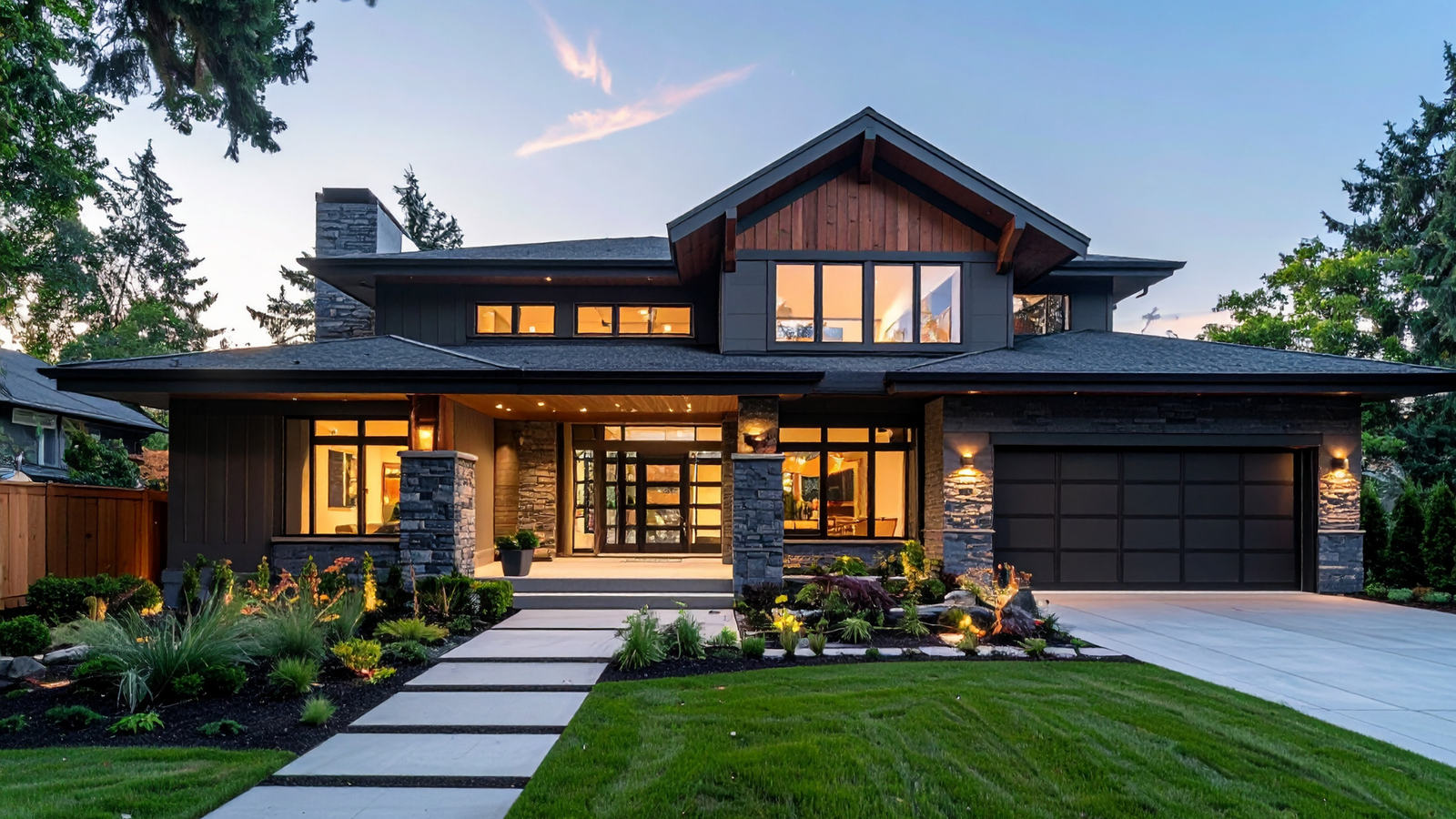
If you spend enough time in real estate, you start to notice a shift in what people think luxury is… versus what actually holds value in the market.
For years, luxury was easy to spot. Bigger homes. Flashier finishes. Statement everything.
And for a while, that worked. But in 2026, that definition feels outdated. The homes that truly stand out today — the ones that feel different the moment you walk in — aren’t trying to impress you. They’re designed to support you. And that’s where the shift has happened.
They’re asking, “How does this feel to live in?”
You just notice that everything feels… easier.
It’s something that still feels right 5–10 years later.
And for a while, that worked. But in 2026, that definition feels outdated. The homes that truly stand out today — the ones that feel different the moment you walk in — aren’t trying to impress you. They’re designed to support you. And that’s where the shift has happened.
Luxury now feels… effortless
The highest-end homes today aren’t loud. They’re quiet in the way they function. You notice it in how a space flows without friction. How storage is exactly where you need it — without being visible. How a kitchen isn’t just beautiful, but actually supports how someone cooks, hosts, and lives day-to-day. This is where terms like intentional design, functional layouts, and custom home features are starting to carry more weight than square footage ever did.Because buyers — especially in higher price points — are no longer asking, “How big is it?”They’re asking, “How does this feel to live in?”
Technology has disappeared (and that’s the point)
There was a phase where “smart home” meant visible gadgets everywhere. Now, true smart home technology is almost invisible.Lighting adjusts without you thinking about it. Temperature stays consistent across rooms. Security systems run in the background without interrupting daily life. It’s no longer about having tech — it’s about having integrated home automation that removes effort. When it’s done right, you don’t notice it at all.You just notice that everything feels… easier.
Wellness has moved from “nice to have” to expected
One of the biggest shifts I’m seeing — especially with buyers relocating or upgrading — is how much weight is placed on wellness-focused home design.And not in a surface-level way.We’re talking about:- Air quality systems that actually improve how you feel day to day
- Layouts that maximize natural light throughout the home
- Materials chosen for both durability and health
- A strong indoor-outdoor connection that makes space feel expansive and grounded at the same time
Privacy has become a premium feature
This is something that doesn’t always show up in listing descriptions, but it absolutely shows up in buyer decisions.In today’s market, privacy in luxury homes is one of the most undervalued — and most powerful — features. That might look like:- Thoughtful lot positioning
- Strategic landscaping that creates separation
- Floorplans that allow for quiet, personal space even in shared homes
Craftsmanship over trend
Trends move quickly. And in most cases, they don’t age well. What holds value — both financially and experientially — is quality craftsmanship.You can feel it in:- Millwork that actually fits the space instead of filling it
- Materials that age well instead of wearing out
- Architectural details that feel considered, not copied
It’s something that still feels right 5–10 years later.
The real definition of luxury (right now)
In 2026, a luxury home isn’t defined by excess. It’s defined by how well everything works together.It’s a home that:- Feels intuitive to live in
- Reduces friction in your daily routines
- Supports both productivity and rest
- Creates a sense of calm without trying too hard